Key Takeaways
- Atmospheric lighting works best for venues that prioritise mood, storytelling, and close-range visual impact rather than maximum brightness.
- High-visibility lighting solutions are better suited for exterior façades and long operating hours where energy use and consistency matter.
- Material durability and maintenance effort should be considered early, especially in high-traffic nightlife environments with minimal downtime.
- The most effective signage strategies balance design intent with operational realities, applying different lighting formats based on location and purpose.
Introduction
In Singapore’s nightlife districts such as Tanjong Pagar, Clarke Quay, Keong Saik Road, and Kampong Glam, signage does more than identify a venue. It sets expectations, signals atmosphere, and competes for attention in streets where visual density peaks after dark. For bar and café owners weighing neon lights vs LED lights, the decision is rarely aesthetic alone. It also involves energy usage, durability, maintenance demands, and how signage performs in a dense urban environment over time.
As operating costs rise and location constraints become tighter, signage choices increasingly need to support both brand positioning and long-term operational clarity.
Neon for Vintage and Aesthetic Appeal
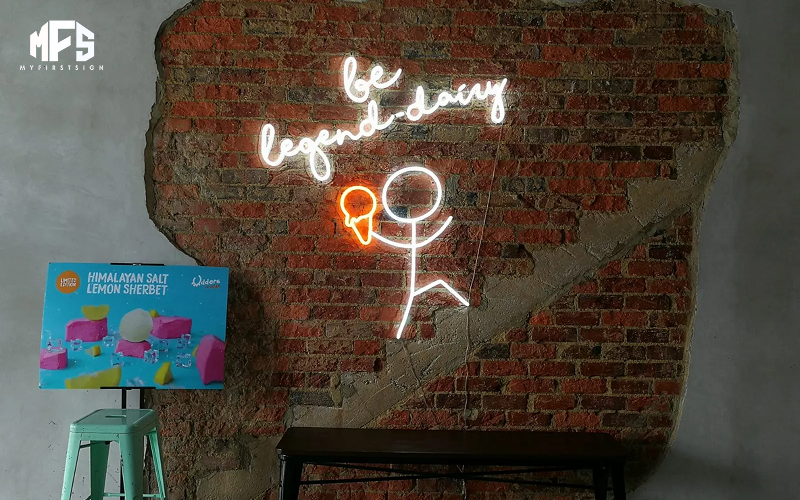
Neon lighting remains closely associated with mood-driven spaces that prioritise character over brightness. In conversations surrounding both neon and LED lights, the former is often selected for its ability to create warmth, intimacy, and visual depth rather than immediate visibility.
This quality makes neon particularly suitable for venues built around heritage, storytelling, or a slower social rhythm. Soft illumination and subtle colour shifts help shape environments that feel deliberate rather than loud. Many operators continue to use classic neon signs as interior focal points, especially for feature walls or brand elements intended to be experienced at close range. This aligns with broader bar signage trends where atmosphere and emotional connection carry significant weight.
In practice, neon is most effective when used as a design accent rather than a primary visibility tool, particularly in interior settings where viewing distance and lighting control are predictable.
For cafés and bars positioned as experiential destinations, neon supports a more considered expression of identity.
LED for Brightness and Cost Efficiency
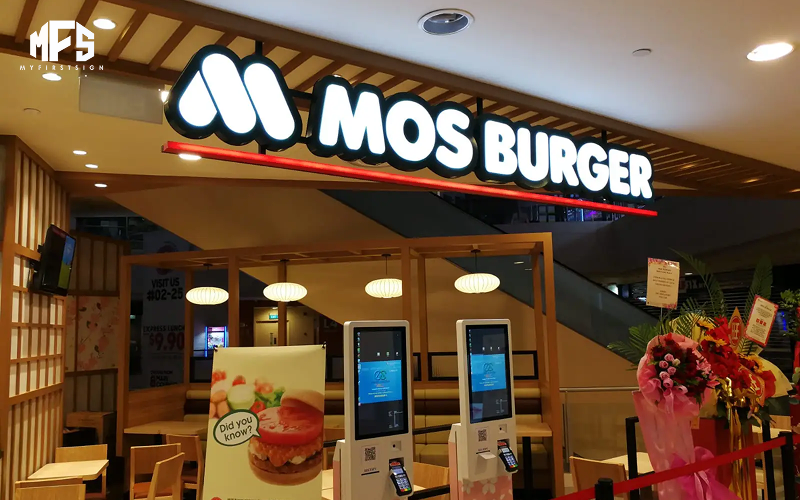
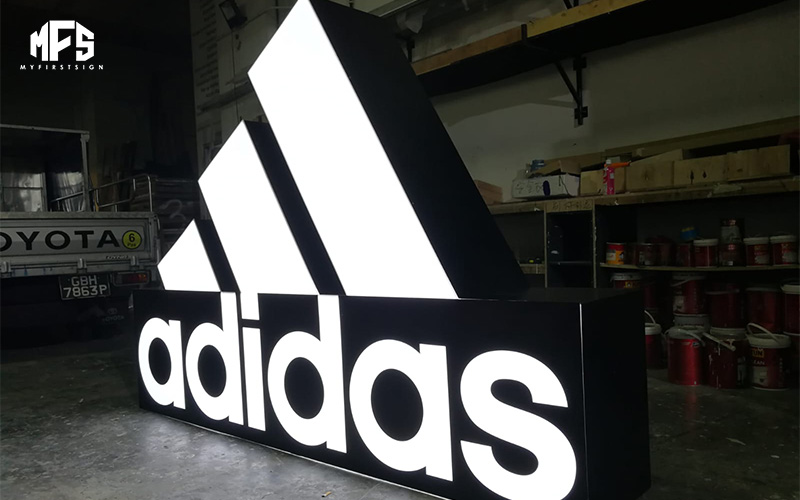
When operational performance takes priority, the comparison shifts toward functionality rather than visual character. LED signage delivers strong, consistent brightness while consuming significantly less energy, making it better suited for exterior-facing signs in busy nightlife areas.
Why LED Signage Appeals To Operationally Driven Businesses
Evaluating LED through daily operational demands highlights where it offers practical advantages.
- Lower energy consumption supports venues operating long hours
- Consistent brightness improves visibility along crowded streets
- Flexible formats allow easier updates to branding or layouts
- Energy-saving LED solutions help manage long-term running costs
Modern LED-based neon light signs also allow businesses to recreate the visual language of neon while maintaining efficiency. This makes LED particularly suitable for venues that require consistent performance across various lighting conditions.
Durability and Maintenance Differences
Durability is another factor that shifts the neon lights vs LED lights discussion from design preference to operational reality. Traditional neon relies on glass tubing, which introduces fragility into installation and maintenance processes.
Key Durability And Maintenance Considerations
Understanding how each option performs over time helps businesses plan with fewer disruptions.
- Neon glass tubes are more vulnerable during installation or renovations due to their glass construction
- Neon repairs typically require specialised technicians and result in longer downtime when damage occurs
- LED components are solid-state, making them more resistant to impact and handling stress
- LED signage offers greater tolerance for humidity, which is better suited to Singapore’s climate
For venues located in mixed-use developments or tightly regulated areas, durability also affects approval timelines and maintenance access, making resilience a practical consideration rather than a secondary concern.
In nightlife settings where venues operate nightly with minimal room for downtime, reduced maintenance interruptions can be a decisive factor.
Best Use Cases for Each Option
Rather than framing neon and LED lights as a strict either-or decision, many nightlife businesses in Singapore apply both strategically, assigning each where it performs best.
When Neon Is The Better Choice
These scenarios prioritise atmosphere and emotional engagement.
- Interior feature walls where mood defines the experience
- Concept bars or cafés built around nostalgia or identity
- Spaces designed for close-range viewing and photography
- Brands seeking the handcrafted feel of vintage neon signs
When LED Makes More Sense
These applications focus on visibility, resilience, and adaptability.
- Exterior signage requiring clear legibility from a distance
- Venues operating long hours with cost sensitivity
- Businesses planning future updates or expansion, where modular LED systems allow signage to be adjusted or replaced with less disruption
- Locations where neon sign operators in Singapore commonly specify LED for compliance
Using each format intentionally allows businesses to avoid over-reliance on a single solution, while ensuring signage remains effective across different touchpoints.
This layered approach allows venues to balance personality with performance.
Conclusion
Choosing between neon lights and LED lights is not about following trends, but about aligning signage with how a venue operates and how it wants to be experienced. Neon brings atmosphere and visual nuance, while LED offers efficiency, durability, and flexibility for fast-paced nightlife environments. When applied intentionally, both formats can strengthen a brand’s presence rather than compete with it.
For bars and cafés reviewing their signage strategy, a design consultation can help clarify whether neon or LED is better suited to the space, operating hours, and long-term maintenance considerations before installation decisions are finalised. My First Sign Pte Ltd supports businesses by assessing these factors early, so signage decisions remain practical, compliant, and aligned with long-term goals.