Key Takeaways
- A storefront sign plays a critical role in shaping first impressions, especially in busy commercial districts where customers make decisions quickly and have many alternatives nearby.
- Clear visibility, thoughtful placement, and appropriate lighting help businesses stand out in visually crowded environments without overwhelming their surroundings.
- Consistency between exterior presentation and overall brand identity builds trust, making it easier for customers to feel confident engaging with a business.
- Durable materials and early consideration of regulatory requirements help ensure signage remains effective over time, while avoiding unnecessary maintenance issues or compliance-related disruptions.
Introduction
In Singapore’s Central Business District, attention is a scarce resource. With constant pedestrian flow through areas such as Raffles Place, Tanjong Pagar, and Orchard Road, businesses operate in environments where customers make snap judgments before they even slow their pace. In these settings, exterior retail signage often becomes the first and most influential touchpoint. It communicates professionalism, credibility, and relevance in seconds, shaping whether a passerby engages or moves on.
For businesses in dense commercial areas, this initial visual impression often shapes expectations of quality and reliability well before any direct interaction occurs. For retail brands, F&B operators, and corporate offices, the quality of this first impression has a direct impact on foot traffic and brand perception.
Visibility Is Everything in High-Footfall Zones

When streets are dense with competing storefronts, visibility becomes a strategic decision rather than a visual afterthought. Exterior retail signage must be designed to work within layered sightlines, surrounding architecture, and varying light conditions throughout the day. In practice, this highlights that visibility should be planned in relation to how people actually move through the area, rather than how a storefront looks in isolation.
Designing for Distance and Sightlines
In CBD environments, signage needs to be legible from more than just the immediate storefront. Pedestrian flow from MRT exits, covered walkways, and adjacent buildings means customers often encounter signage at oblique angles or from a distance. Designs that account for scale, placement, and viewing height are more likely to register in these moments.
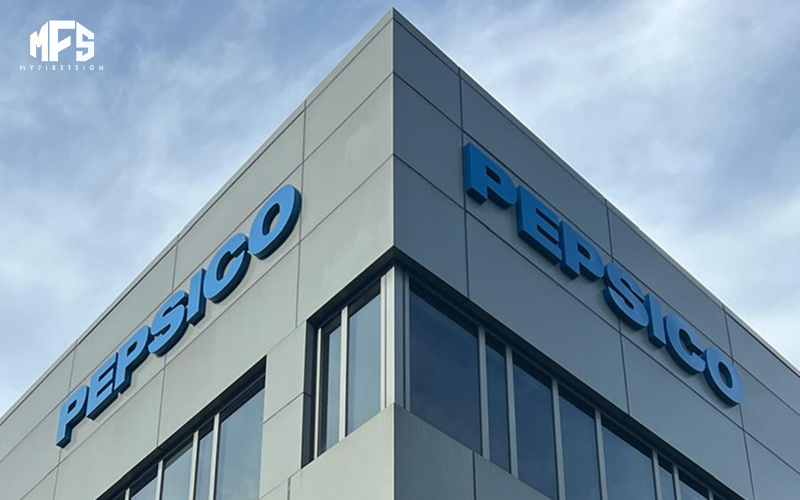
In such settings, high-visibility signage ensures that a business is noticed clearly rather than absorbed into the visual noise of its surroundings. Well-positioned exterior building signs help establish presence within a crowded streetscape by giving businesses a clearer point of identification before customers reach the entrance.
Lighting as a Visibility Multiplier
Beyond placement, lighting plays a critical role in how signage performs across different times of day. Subtle, well-planned illumination improves legibility in the evening and in shaded walkways while maintaining a professional appearance. This is particularly relevant in commercial districts where surrounding buildings or sheltered pathways can limit natural light. In areas where operating hours extend beyond daylight, lighting ensures signage remains effective without appearing intrusive.
Branding Consistency Builds Trust Before Entry
A sign does more than identify a location. It sets expectations. Exterior retail signage that aligns with a brand’s broader visual identity helps establish trust before any interaction. Consistency at this stage reduces uncertainty, especially for first-time visitors who rely heavily on visual cues to assess a business.
Visual Continuity Across Physical Touchpoints
Customers subconsciously assess whether a brand feels cohesive. When exterior signage reflects the same design language found inside the space, on menus, or across digital platforms, it signals intentionality and reliability. This alignment strengthens outdoor business branding, allowing businesses to appear established rather than improvised. Across Singapore’s competitive commercial landscape, signage consistency across physical touchpoints supports recognition and reinforces credibility.
Why Consistency Matters in Dense Commercial Areas
In the CBD, customers frequently select from several options in a short period of time. A coherent exterior presentation reduces hesitation and makes it easier for customers to feel confident stepping inside. Rather than competing through visual excess, consistent signage helps businesses stand out through clarity and professionalism, supporting brand recall beyond the initial visit.
Material Choices Reflect Long-Term Brand Value
Singapore’s climate places practical demands on how signage is designed and fabricated. Exterior retail signage must withstand humidity, heat, and frequent rainfall while maintaining its appearance over time. Material decisions, therefore, affect not only aesthetics but also long-term upkeep and brand perception.
Designing for Singapore’s Climate Conditions
Materials such as acrylic and aluminium are commonly used for their resistance to corrosion, fading, and warping. Selecting weather-appropriate materials helps signage retain its finish and legibility, reducing maintenance issues that can disrupt operations or affect how repeat visitors perceive a business.
Material Quality as a Brand Signal
Beyond durability, material choice communicates brand positioning. A clean, well-finished sign supports a polished commercial storefront design, reinforcing the impression that careful attention has been paid to detail. For businesses operating from shared or multi-tenant buildings, well-crafted business building signs also help establish a clear, professional presence within the wider property. This makes it easier for customers and visitors to locate the business with confidence.
Compliance Protects Your Business from Costly Disruptions
In Singapore, signage is subject to regulatory requirements set by authorities such as URA and BCA. Exterior retail signage must comply with guidelines covering size, placement, and illumination to avoid enforcement action. Non-compliance can result in forced changes or removals that interrupt operations and affect brand visibility.
Planning for Regulatory Requirements Early
Addressing compliance during the design phase helps prevent delays, redesigns, or forced removals after installation. Early consideration of regulatory boundaries also allows businesses to make informed design decisions without compromising branding intent later. This approach protects both project timelines and operational continuity in high-traffic commercial areas, where disruptions can be particularly costly.
Conclusion
A storefront sign does more than mark a location. It shapes perception, signals credibility, and influences whether a business earns attention in Singapore’s most competitive commercial districts. In the CBD, where decisions are made quickly and alternatives are always nearby, well-considered signage supports visibility, brand confidence, and long-term presence.
For businesses planning new signage or reassessing existing installations, My First Sign Pte Ltd offers practical guidance grounded in site conditions, brand alignment, and local regulatory requirements. By engaging with our team early, businesses can evaluate design, materials, and placement with greater clarity, ensuring signage decisions support both immediate visibility and long-term commercial objectives.