Key Takeaways:
- Many co-working spaces struggle with street-level visibility in dense urban areas, making physical wayfinding a vital part of the visitor experience.
- Ground-based signage helps bridge the gap between digital directions and real-world navigation, reducing confusion for first-time visitors and clients.
- Moveable signage solutions offer flexibility as access points, pedestrian flow, or surrounding developments change over time.
- Thoughtful design and durable materials ensure signage remains professional, legible, and reliable in Singapore’s outdoor environment.
Introduction: Why Visibility Matters for Co-Working Spaces in High-Rise Buildings
In Singapore’s busy business districts, many co-working spaces and private offices are tucked away inside high-rise developments. From street level, they often blend into the background, looking much like every other building around them. Even thoughtfully designed workspaces can be easy to miss, which becomes a real frustration for first-time visitors, clients, or delivery drivers trying to find their way.
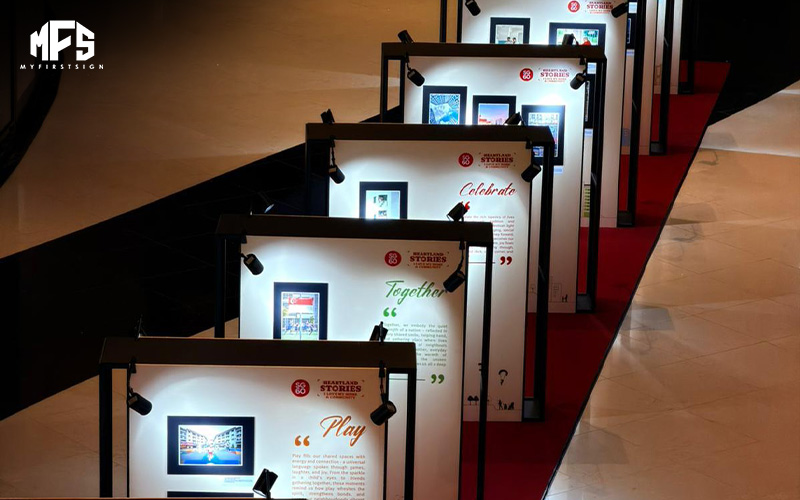
This is where outdoor freestanding signs make a quiet but meaningful difference. Placed at ground level or along key access routes, they provide a clear point of reference as people approach your building. More than simple directions, they help your space feel present and recognisable within a crowded urban setting, improving visibility while still respecting the surrounding architecture.
Why Do Hidden Offices Need Better Ground-Level Visibility?
Many co-working spaces sit above shops or are set back from the main street, making them easy to overlook. Without obvious visual cues, visitors often depend entirely on digital maps, which can be frustratingly imprecise in busy commercial areas. Well-positioned outdoor freestanding signs help close that final gap, guiding people smoothly from the street to the right entrance.
Working with exterior building signs, they create a clearer, more natural journey into the space. For freelancers meeting clients or teams welcoming partners, this sense of direction reduces uncertainty and sets a more assured first impression. Over time, familiar wayfinding also builds recognition, allowing signage to function as understated corporate identity markers rather than mere directional tools.
How Can Flexible Placement Improve Signage Impact?
Unlike fixed facade signage, portable business signs offer greater flexibility, which suits the changing nature of modern workspaces. As entrances move, landscaping evolves, or neighbouring developments come up, signage can be repositioned to stay visible where people naturally pass.
This adaptability is invaluable for shared offices and growing teams. Rather than locking into permanent installations too early, businesses can observe sightlines and foot traffic before committing to a long-term setup. When aligned with existing commercial building signs, freestanding signage helps your workspace remain easy to find, even as the surrounding environment continues to shift.
What Makes Freestanding Signage Look Modern and Professional?
Design matters as much as placement. Clean lines, balanced proportions, and considered typography help freestanding signage feel like a natural extension of the workspace rather than an add-on placed outside the building.
Typography, in particular, shapes how your brand is understood at first glance. Font choices signal professionalism or approachability, suggest creativity or restraint, and influence how people feel as they approach your space. These visual cues set expectations before a visitor even steps inside.
For co-working environments built around community and flexibility, modern workspace branding plays an essential role in shaping perception. When coordinated with existing business building signage, freestanding signs introduce colour, materials, or lighting at street level in a way that feels polished and intentional, reinforcing credibility without appearing corporate or imposing.
Are Outdoor Freestanding Signs Built for Singapore’s Weather?
Durability is a practical consideration, especially in Singapore’s tropical climate. Frequent rain, high humidity, and intense sunlight can quickly affect signage that is not correctly specified. Well-made outdoor freestanding signs use weather-resistant materials and finishes that reduce fading, corrosion, and long-term structural wear.
When fabricated and installed correctly, maintenance remains manageable, and performance stays consistent over time. This dependability allows businesses to focus on day-to-day operations, confident that their signage remains effective and presentable as part of a well-planned signage strategy.
Conclusion: How Can Outdoor Freestanding Signs Strengthen Your Presence?
In a city where buildings compete for attention, co-working spaces and private offices need more than a name on a directory to be noticed. Outdoor freestanding signs help establish a clear street-level presence, making it easier for visitors to find your space while reinforcing how your brand is perceived from the outside.
If you are reviewing how your workspace appears at ground level, My First Sign can support you with signage planning that considers placement, design, and long-term durability.
Contact us today to explore how a well-considered freestanding signage solution can improve visibility, reduce wayfinding friction, and create stronger first impressions for your business.