Key Takeaways
- First impressions in physical spaces are shaped by placement, scale, and visual clarity, not by how bold or decorative a logo appears.
- Lighting, dimensional design, and material choice should serve the space, enhancing visibility and character without disrupting the overall environment.
- Consistency across entrances, interiors, and shared areas strengthens recognition and helps visitors intuitively understand where they are and who they are engaging with.
- Thoughtful signage planning supports long-term relevance, ensuring branding remains effective as spaces evolve rather than feeling dated or disconnected over time.
Introduction
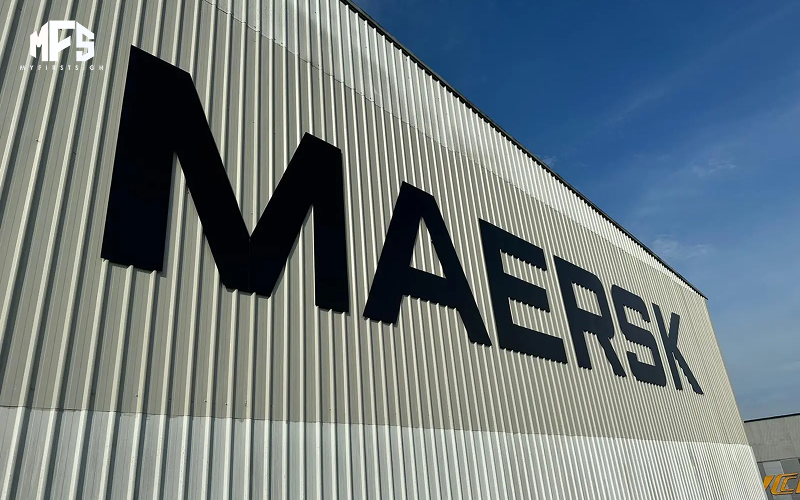
In football, reputation is built long before the final whistle. Precision, consistency, and presence shape how a player is remembered. The same principle applies to physical branding in the built environment. Your business logo signage is often the first tangible expression of your brand, encountered before a conversation begins or a service is experienced. In Singapore’s dense commercial landscape, where offices, retail spaces, and hospitality concepts compete for attention, signage quietly communicates credibility, intent, and personality. When executed thoughtfully, it supports high-impact branding by shaping perception through space rather than overt promotion. As workplaces and customer-facing environments continue to evolve, signage is increasingly expected to do more than identify a brand. It must also support clarity, coherence, and long-term relevance within the space.
Lobby Logos That Make a Power Move
The placement of a logo within a lobby or shared entrance immediately influences how a business is perceived. A carefully positioned business logo signage installation establishes order and professionalism without needing explanation. Balanced proportions, considered lighting, and a clear focal point help signal that the organisation values structure and clarity.
In corporate offices and co-working environments across Singapore, these cues matter because lobbies are not simply transitional areas. They are where confidence is formed and expectations are set. When integrated with office reception signage, the logo becomes part of a composed first impression rather than a standalone visual element.
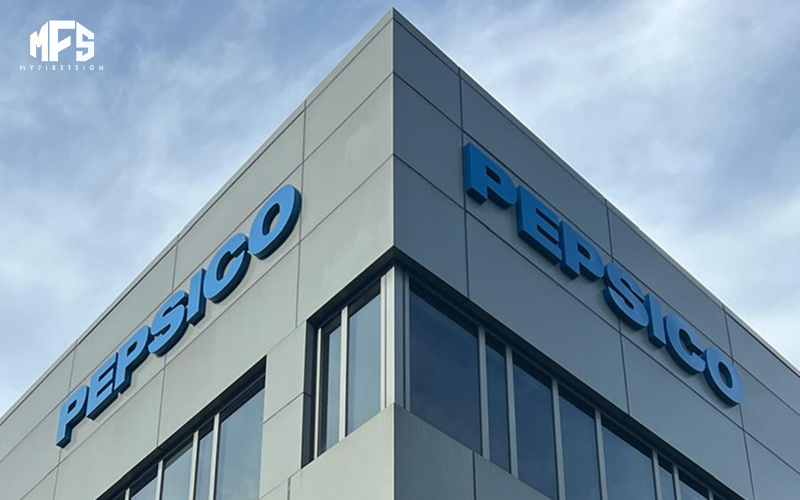
Consistency across spaces further reinforces this perception. Signage that aligns with commercial building signs create a seamless visual transition from the exterior to the interior space. This alignment reduces visual uncertainty for visitors, particularly in shared or multi-tenant buildings where navigation and brand differentiation must coexist. Rather than feeling visually disconnected, the logo works as part of a wider system that supports wayfinding while reinforcing brand identity throughout the building.
Creative Neon and LED Installations
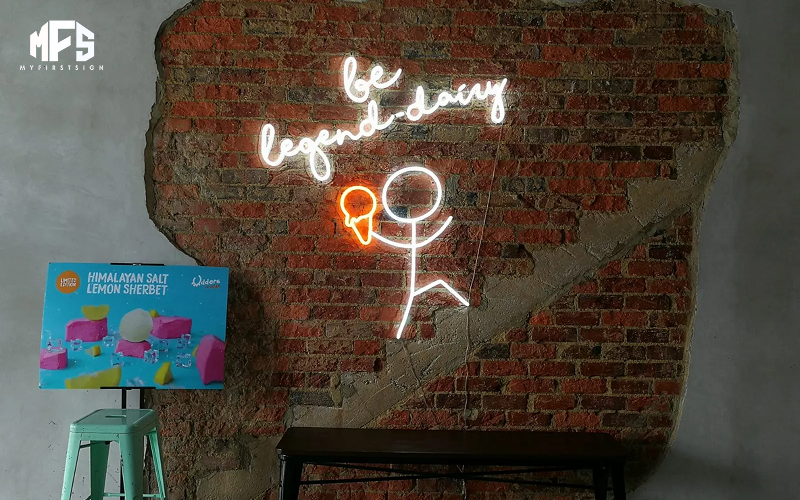
Modern workplaces and retail environments increasingly seek a balance between professionalism and approachability. Neon and LED installations offer a way to introduce character while maintaining clarity and intent. In cafés, lifestyle retail settings, and collaborative office spaces, these illuminated elements add warmth and visual energy without overwhelming the environment.
When applied with restraint, business logo signage that incorporates lighting feels deliberate rather than decorative. In Singapore’s F&B and retail hubs, where visual engagement often extends beyond the physical space through social sharing, such installations help brands remain distinctive while still fitting comfortably within their surroundings. When coordinated with business–building signs, they contribute to a cohesive visual language that feels contemporary and well considered. This consistency ensures that lighting enhances recognition rather than competing with the surrounding environment.
3D and Layered Designs for Impact
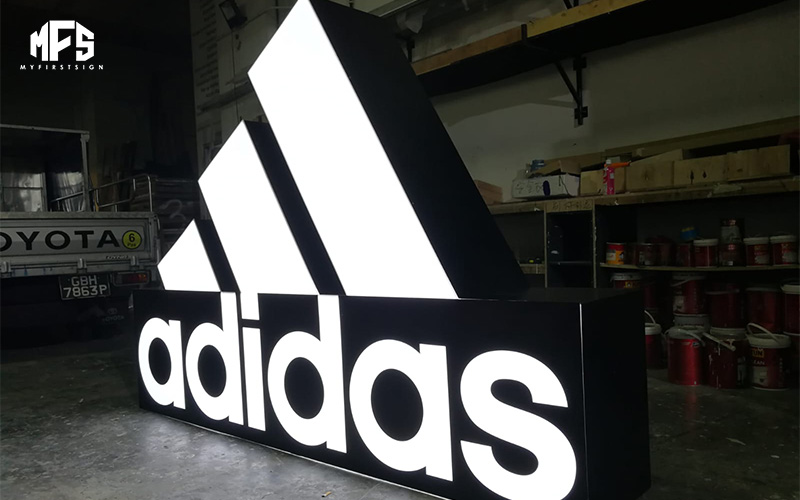
Dimensional signage changes how a brand is experienced within a space. Layered designs introduce depth, shadow, and material contrast, giving logos a physical presence that flat graphics cannot achieve. Business logo signage that incorporates custom 3D logo signs conveys deliberateness and craftsmanship, subtly suggesting careful attention to detail and execution.
In office environments, these designs often serve as visual anchors within signage systems, guiding attention and reinforcing hierarchy. By introducing depth without visual excess, layered signage supports clarity in environments where multiple visual elements must coexist. The added depth allows brands to feel established and substantial, even in newly completed interiors, without appearing excessive or visually dominant.
Sustainable and Eco-Friendly Options
Material choice increasingly plays a role in how businesses are evaluated, particularly in sustainability-aware markets such as Singapore. Signage crafted from recycled metals, responsibly sourced timber, or preserved natural elements help branding reflect environmental considerations without sacrificing refinement. These material decisions are often evaluated alongside broader workplace or development sustainability objectives, rather than in isolation.
In this context, logo signage becomes both an identity marker and a signal of responsible decision-making. For companies operating within shared developments or lifestyle-oriented precincts, these choices complement broader sustainability goals while maintaining a professional and composed aesthetic. This approach allows brands to communicate environmental awareness through considered design decisions rather than overt messaging.
Conclusion

Strong branding is never incidental. Like a well-executed free kick, it combines intention, timing, and control. A thoughtfully designed logo installation is not just visual branding. It is positioning, storytelling, and long-term brand equity expressed through space. When businesses treat signage as a strategic asset rather than a finishing touch, environments become more coherent, memorable, and purposeful. In Singapore’s competitive commercial landscape, this is where business logo signage moves beyond function and becomes a defining element of brand presence.
If you are planning a new space or reassessing how your brand is currently represented on-site, engaging in an early signage discussion can help clarify priorities before finalising design and fit-out decisions. My First Sign Pte Ltd works with businesses to translate brand intent into signage solutions that are carefully planned, precisely executed, and suited to real commercial environments.