Key Takeaways:
- Storefront illumination sets expectations before customers even step inside, shaping how they perceive price point, quality, and overall brand intent.
- Softer lighting and restrained design choices tend to support a more refined retail experience, while brighter and bolder displays help value-focused stores stand out in busy environments.
- Visibility depends as much on placement as design, with sign positioning needing to respond to foot traffic, viewing angles, and surrounding architecture.
- Lighting tone influences emotional response: warmer hues create a sense of polish and comfort, while cooler tones project energy and accessibility.
Introduction: What Does Your Storefront Say Before Customers Step Inside?
A storefront often speaks before your staff ever does. Before anyone steps through the door, the signage has already shaped assumptions about price, quality, and the kind of experience on offer. Lighted storefront signs are especially influential in Singapore, where vibrant streetscapes and dense retail clusters mean brands have only moments to make an impression.
Some businesses aim to project confidence and polish, while others need to stand out instantly and signal value at a glance. The choices made around illuminated signage guide that perception, prompting an important question for any retailer: Does your storefront suggest refinement and exclusivity, or accessibility and everyday appeal?
How Do High-End Boutiques Use Soft Backlighting To Communicate Luxury?
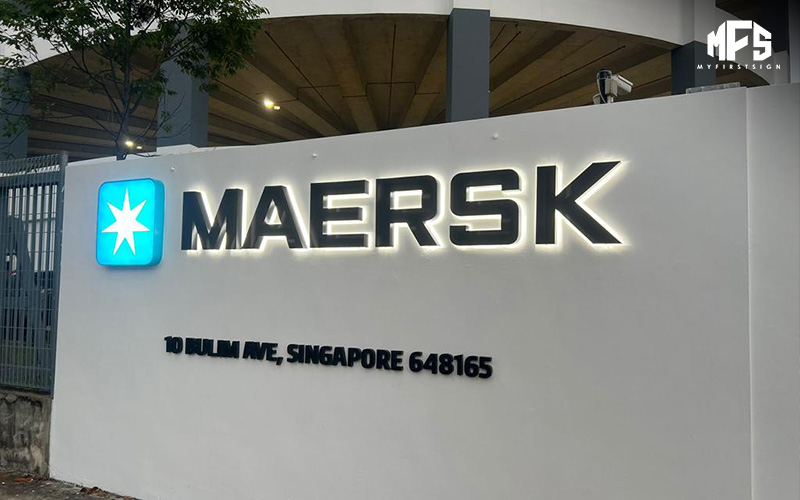
High-end boutiques tend to avoid visual excess. Instead of competing for attention through brightness alone, they rely on restraint and careful detailing to express value. Soft backlighting produces a calm, polished glow that feels intentional, allowing the brand to project confidence without appearing forceful. When used well, lighted storefront signs blend seamlessly into the facade, creating an impression of thoughtfulness and craft rather than promotion.
Within premium retail environments, designers often select lighted acrylic signage paired with refined typography and tightly controlled illumination. The lighting is evenly diffused, edges are crisp, and finishes feel considered. These subtle cues align with premium retail signage expectations, where consistency, material quality, and visual balance strongly influence how the brand is read from the street.
Why Do Budget Retailers Choose Bright LED Signs To Drive Footfall?
Budget-focused retailers operate in fast-moving, highly competitive environments where visibility has to work instantly. Bright, bold LED signage helps achieve this by standing out against busy streetscapes and communicating value from a distance. Higher brightness levels, strong colour contrast, and larger lettering make lighted storefront signs easy to recognise, even when customers are passing by quickly.
An outdoor backlit sign box is often chosen for its practicality. It delivers strong visibility without pushing costs unnecessarily high, helping branding remain clear and legible in busy locations. For retailers centred on accessibility and affordability, shopfront displays tend to work best when they are simple, energetic, and easy to recognise at a glance.
How Does Sign Placement Influence Visibility And Store Experience?
Even the most carefully designed sign can lose its impact if it is placed poorly. In higher-end retail districts, signage is often positioned at eye level or integrated cleanly into the facade. This invites closer engagement and supports a more relaxed, considered browsing experience.
Along busier streets and commercial zones, elevated lighted building signs help stores remain visible across longer sightlines. Effective placement takes into account foot traffic flow, viewing angles, and the surrounding architecture. When the sign location aligns with the store layout and brand intent, wayfinding feels natural, and the storefront is easy to read from both near and far.
How Does Colour Temperature Shape Brand Perception?
Colour temperature has an unspoken yet meaningful influence on how a brand is perceived. Warm-toned lighting often feels relatable, intimate, and inviting, making it a natural choice for businesses that want to create a sense of comfort and familiarity. In these settings, softer tones are used in the lighted storefront signs to support a sense of care and intention, reinforcing a more considered retail experience.
Cool-toned lighting communicates energy and efficiency, which aligns well with mass-market retailers focused on visibility and convenience. These lighting choices shape how customers emotionally read the space before stepping inside. When colour temperature is aligned with brand positioning, the storefront feels coherent and purposeful rather than visually disconnected.
Conclusion: Turning Storefront Signage Into A Strategic Advantage
Your storefront signage does far more than display a brand name. It is often the first physical interaction customers have with your business, shaping impressions and setting expectations before they step inside. From illumination style to placement and colour temperature, each decision influences how your store is read from the street. When designed with intent, lighted storefront signs help create a clear and consistent brand experience from the outset.
If your business is reviewing its current signage or preparing for a new retail presence in Singapore, a strategic approach makes a real difference. My First Sign partners with brands to design and produce signage that reflects positioning, complements its surroundings, and supports long-term brand objectives.
Speak with our team to discuss how a considered illuminated signage solution can strengthen visibility, improve clarity, and build brand confidence from the very first glance.