Sustainability is no longer just a buzzword—it has become a driving force for businesses across Singapore. With mounting awareness of climate change, waste reduction, and responsible business practices, companies are actively looking for ways to operate more sustainably. While much of the spotlight falls on packaging, logistics, and energy consumption, signage is often overlooked as an area where eco-conscious change can make a real impact.

Traditional signboards, frequently made from PVC, plastics, or other non-biodegradable materials, contribute to environmental waste. By contrast, eco-friendly signage offers businesses the opportunity to reduce their carbon footprint while still projecting a strong, professional brand presence. In Singapore, this movement is fuelled by government policy, consumer expectations, and corporate responsibility initiatives.
In this comprehensive guide, we will explore why businesses in Singapore are transitioning towards eco-friendly signage. From regulations and customer demand to cost efficiency, materials, and innovative technology, we’ll uncover the motivations behind this trend. We’ll also show how companies can adopt sustainable solutions without compromising quality, visibility, or branding.
Key Takeaways
- Eco-friendly signage helps businesses reduce waste, cut costs, and enhance brand image.
- Singapore’s Green Plan 2030 and Zero Waste Masterplan encourage sustainable business practices, including green signage materials.
- Consumer awareness is at an all-time high, with most customers preferring eco-conscious brands.
- Energy-efficient signage solutions such as LEDs and solar-powered designs lower operational costs.
- Businesses can adopt sustainable signage without sacrificing durability or customisation.
Why Businesses are Becoming Eco-Friendly
The Push for Sustainability: Government Regulations & Consumer Demand
Singapore is positioning itself as a global leader in sustainability. With ambitious frameworks such as the Singapore Green Plan 2030 and the Zero Waste Masterplan, the government is urging industries to minimise waste and adopt eco-friendly practices across all business operations.
Regulations and Compliance: Large organisations in Singapore are required to report on waste production through mandatory waste reporting. This means businesses must carefully measure and account for the amount of waste they generate. By incorporating eco-friendly signage into their operations, businesses can demonstrate their commitment to sustainability while staying compliant with government requirements. This proactive approach highlights environmental responsibility and positions companies as leaders in sustainable practices.

Investor Interest in ESG Practices: Globally and locally, there has been a rapid increase in the focus on ESG (Environmental, Social, and Governance) standards. Investors are now looking beyond profits and seeking to partner with businesses that adopt sustainable and ethical practices. Companies that embrace eco-friendly signage are more likely to attract investments, as their commitment to green initiatives demonstrates long-term resilience and responsibility.
Consumer Expectations: In Singapore, consumer awareness of environmental issues is rising quickly. A 2023 study found that 80% of Singaporean consumers prefer to engage with brands that actively demonstrate eco-friendly initiatives. When businesses choose eco-friendly signage, they are not just following a trend—they are directly appealing to the values of their target market. This gives them a stronger competitive edge and fosters deeper customer loyalty.
CSR and Brand Trust: Corporate Social Responsibility (CSR) is no longer a secondary business concern but an essential part of building trust. Companies that integrate sustainable marketing solutions, including environmentally-friendly signage, benefit from stronger relationships with customers. They also inspire greater employee engagement and often receive more positive media coverage. Together, these outcomes enhance overall brand reputation and visibility.
In short, eco-friendly signage is not just about compliance with government rules. It is about creating trust, strengthening business credibility, and aligning with the values of a market that increasingly demands environmental responsibility.
Cost vs. Benefit: Is Environmentally-Friendly Signage Worth It?
For many businesses, the first consideration when adopting sustainable solutions is cost. Is eco-friendly signage worth the investment? The answer is a clear yes, especially when the long-term benefits are taken into account.
Initial Cost vs. Longevity: Some green signage materials may have a slightly higher upfront price compared with conventional options. However, these materials are designed to be durable and long-lasting, which means businesses can save money by reducing the need for frequent replacements. Over time, this durability translates into significant cost savings.
Energy-Efficient Savings: Traditional neon signage is both power-hungry and expensive to maintain. In contrast, energy-efficient signage solutions such as LED and solar-powered systems use far less electricity while requiring minimal maintenance. Businesses that make the switch quickly notice a reduction in their utility bills, which contributes to long-term savings.
Government Incentives: Singapore’s push towards sustainability also includes financial incentives. Companies that adopt environmentally-friendly signage may qualify for green grants, subsidies, or tax relief under various sustainability schemes. Taking advantage of these incentives helps offset the initial costs of transitioning to eco-friendly alternatives.
Stronger Customer Retention: Beyond financial benefits, eco-friendly signage contributes to customer loyalty. Consumers are increasingly drawn to businesses that align with their environmental values. Companies that promote sustainability through signage often enjoy repeat business and higher sales from eco-conscious customers.
Investing in environmentally-friendly signage not only reduces long-term costs but also elevates a company’s visibility, particularly when applied to exterior building signs that showcase a brand’s sustainable commitment to the public.
The Innovation Behind Eco-Friendly Signage
Innovation has been central to the rise of sustainable signage, ensuring that businesses no longer need to compromise on quality, design, or performance when choosing eco-conscious options.
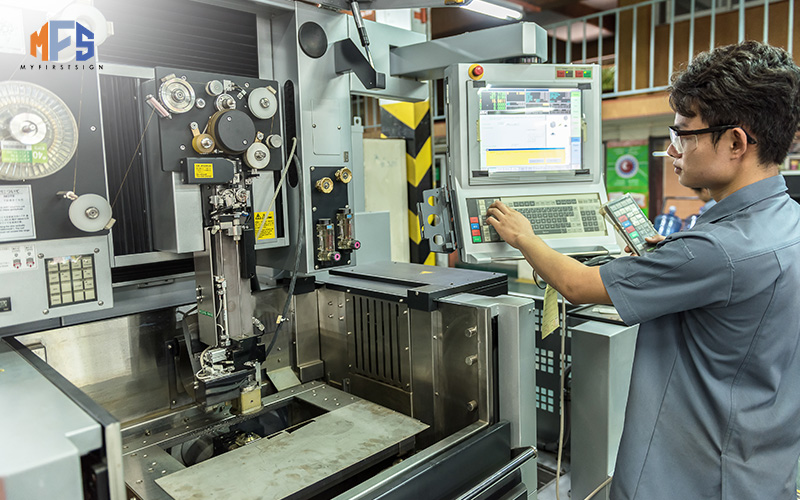
Sustainable Materials: Businesses are increasingly selecting green signage materials such as recycled aluminium, bamboo, cork, and even cardboard for temporary or seasonal displays. These materials are biodegradable, recyclable, and offer visual appeal, making them suitable for a wide range of industries.
Advanced Inks: Printing technology has also advanced. Traditional solvent-based inks often release volatile organic compounds (VOCs), which are harmful to both people and the environment. By switching to water-based and UV-cured inks, businesses can achieve vibrant, durable prints without the negative environmental impact.
3D Printing: Additive manufacturing, or 3D printing, has introduced new possibilities in signage. By using recycled or biodegradable filaments, businesses can reduce material waste while creating customised signage designs. This makes the process both sustainable and flexible.
Energy-Efficient Options: Energy-efficient signage solutions have revolutionised the industry. LED lights consume up to 80% less energy than traditional neon, while solar-powered signs are perfect for outdoor spaces, helping reduce reliance on electricity grids. Reflective finishes and glow-in-the-dark elements also enhance visibility without consuming energy.
Modular Systems: Instead of replacing an entire sign when updates are needed, modular signage systems allow businesses to swap out or update only specific elements such as logos, promotions, or text. This reduces waste and lowers costs while maintaining a fresh and relevant brand image.
Through innovation, eco-friendly signage has become as versatile, stylish, and durable as traditional options, proving that sustainability and practicality can go hand in hand.
Implementing Sustainable Signage for Your Business
Choosing the Right Sustainable Materials for Your Brand
When it comes to eco-friendly signage, the choice of materials plays a critical role in aligning with both brand identity and sustainability goals. The right material should reflect the values of the business while also being suitable for the environment in which the signage is placed.
For retail and F&B businesses, natural materials such as bamboo, cork, and recycled acrylic are becoming increasingly popular. These options create an inviting and organic aesthetic that resonates with customers. Restaurants, in particular, can benefit from using environmentally-friendly boards and banners, which not only support sustainability but also reinforce a green brand image.
In corporate office settings, combining aluminium with energy-efficient LED lighting offers a sleek and modern look. This approach balances professionalism with eco-consciousness, allowing businesses to maintain a polished appearance without compromising sustainability.
For events and exhibitions, temporary signage can still be sustainable. Cardboard, paper-based, or fabric signage provides cost-effective, lightweight, and recyclable solutions. These materials are ideal for short-term needs, ensuring minimal environmental impact once the event concludes.
When selecting materials, businesses should also pay attention to certifications. For example, the FSC (Forest Stewardship Council) certification guarantees that wood products come from responsibly managed forests, while GreenGuard certification assures that products meet strict chemical emission limits. Such certifications give businesses confidence that their eco-friendly signage is genuinely sustainable.
In essence, the choice of materials for eco-friendly signage should always strike a balance between durability, design, and environmental responsibility. Businesses in competitive markets benefit from custom signage Singapore solutions, where sustainable materials and energy-efficient designs can be tailored to reflect unique brand identities while supporting sustainability goals.
Best Practices for Energy-Efficient Signage
Designing eco-friendly signage goes beyond material selection, it also includes reducing energy consumption without sacrificing visibility or brand impact. By adopting smart technologies and thoughtful design, businesses can achieve both sustainability and efficiency.
Smart power systems are a simple yet effective way to minimise unnecessary energy usage. Features such as motion sensors, dimmable LEDs, and automatic timers ensure that signage only consumes energy when required. This reduces wastage while keeping the signage impactful.
Positioning signs in naturally well-lit areas reduces the need for artificial lighting, lowering energy costs. For outdoor signage, strategic angling can maximise exposure to sunlight, making solar-powered models especially effective.
Finally, businesses should implement sustainable recycling plans with their signage vendors. Many suppliers now offer take-back programmes where old signs are recycled into new products or repurposed into items such as furniture, promotional displays, or even art installations. This approach ensures that signage waste does not end up in landfills, further supporting a business’s eco-friendly commitments.
By adopting these practices, businesses can significantly cut down on energy consumption, reduce operational costs, and strengthen their reputation as leaders in sustainability.
The Innovation Behind Eco-Friendly Signage
Innovation is at the heart of eco-friendly signage, enabling businesses to move beyond outdated perceptions of “green” products being dull or less effective. Today’s sustainable signage solutions are stylish, versatile, and highly functional, offering businesses new ways to communicate their brand values without harming the environment.
Sustainable materials are constantly evolving. Businesses can now choose from options such as recycled aluminium, bamboo, cork, and even cardboard for temporary displays. These materials are not only biodegradable and recyclable but also highly versatile, giving brands the ability to create signage that is both environmentally responsible and visually appealing.
Technologies such as 3D printing are also revolutionising eco-friendly signage. By using recycled or biodegradable filaments, businesses can reduce material waste while creating unique, customised signage pieces. This innovation allows for creative freedom without compromising sustainability.
On the energy side, LEDs and solar-powered signage are becoming the standard. LEDs use up to 80% less energy compared to traditional neon lighting, while solar-powered systems harness renewable energy to power outdoor signage. In addition, reflective materials and glow-in-the-dark finishes enhance visibility without drawing on electricity.
Lastly, modular signage systems offer a sustainable way to adapt to changing business needs. Instead of discarding entire signs when branding or promotions change, modular systems allow for easy updates with minimal waste.
Altogether, these innovations prove that eco-friendly signage is not just about going green—it is about embracing smarter, more efficient, and future-ready solutions that strengthen both brand image and environmental impact.
Frequently Asked Questions
What is eco-friendly signage?
Eco-friendly signage refers to signs that are designed, produced, and used with sustainability in mind. They incorporate green signage materials, energy-efficient signage solutions, and responsible production methods to reduce environmental impact while still delivering strong brand visibility and aesthetics.
Are environmentally friendly signs more expensive than traditional signage?
While environmentally-friendly signage may have a slightly higher upfront cost due to sustainable marketing solutions or advanced technology, signage often proves more cost-effective in the long run. Its durability, lower energy consumption, and potential eligibility for government incentives help businesses save significantly over time.
How long do environmentally friendly signs last?
The lifespan of environmentally-friendly signage depends on the materials and technology used. For example, recycled aluminium and LED lighting can last for many years, while temporary cardboard or fabric signage is best suited for short-term events. In general, sustainable signage is designed with durability in mind, often outlasting traditional alternatives.
Can environmentally-friendly signage be customised to fit my brand?
Absolutely. Sustainable signage is highly versatile and can be tailored to match brand colours, logos, and aesthetics. With innovations such as UV-cured inks, 3D printing, and modular systems, businesses can achieve customised designs without compromising on eco-friendly values.
What happens to environmentally-friendly signage at the end of its life cycle?
Many vendors now offer take-back programmes where old signage can be recycled or repurposed into new products, furniture, or even art installations. Modular signage systems also allow businesses to update only parts of a sign, reducing waste significantly.
Are there government incentives for adopting environmentally-friendly signage in Singapore?
Yes. Businesses in Singapore can tap into various sustainability schemes, grants, and tax relief opportunities under initiatives such as the Singapore Green Plan 2030. These incentives are designed to encourage companies to adopt greener practices, including environmentally-friendly signage solutions.
How do customers perceive environmentally-friendly signage?
Consumers increasingly value sustainability, and environmentally-friendly signage sends a strong signal that a brand is committed to environmental responsibility. Research shows that customers are more likely to trust, engage with, and remain loyal to brands that embrace sustainable marketing solutions.
Is environmentally-friendly signage suitable for outdoor use?
Yes, many environmentally-friendly materials and technologies are designed to withstand outdoor conditions. Recycled aluminium, weather-resistant bamboo, and solar-powered lighting options make it possible to create signage that is both sustainable and highly durable in outdoor environments.
Building a Greener Brand with Environmentally-Friendly Signage
Environmentally-friendly signage is no longer optional—it is becoming a necessity for businesses in Singapore. With government regulations pushing for sustainable practices, consumers demanding greener solutions, and innovation making eco-friendly options more versatile, the case is clear. Companies that adopt eco-friendly signage benefit from reduced waste, lower energy costs, and stronger brand loyalty.
Whether you’re a retailer looking to enhance your space with bamboo wooden signs or a brand exploring custom signage Singapore for unique marketing campaigns, sustainable solutions exist to meet your needs.
At My First Sign, we specialise in innovative, environmentally-friendly signage designed to make your brand stand out while protecting the planet. From concept to installation, our team ensures your signage reflects both your business identity and your commitment to sustainability.
Ready to go green with your signage? Contact My First Sign today and take the first step towards a brighter, more sustainable future.